Hidden Costs of COD What Every Seller Should Know
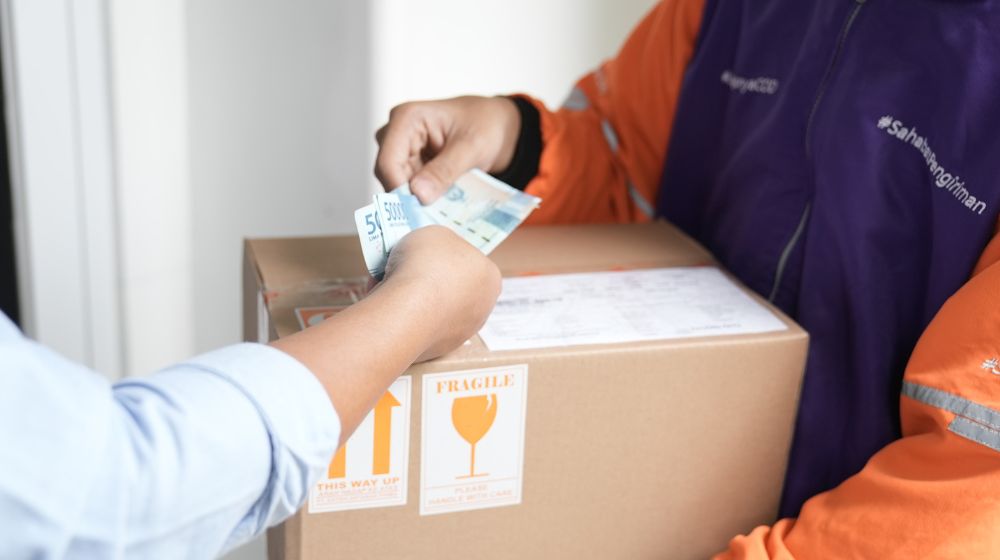
Cash on Delivery (COD) remains one of the most preferred payment methods in India, especially for first-time buyers and customers in non-metro regions. While a cod courier service helps sellers increase order volumes and customer trust, it often comes with several hidden costs that are not immediately visible. For growing eCommerce and D2C businesses, understanding these hidden expenses is crucial to maintaining healthy profit margins and operational efficiency.
Why COD Still Dominates Indian eCommerce
Despite the rise of UPI and prepaid payments, COD continues to account for a significant share of online orders. Customers perceive COD as safer, as they pay only after receiving the product. For sellers, this means higher conversion rates and wider market reach. However, the operational complexity of COD shipments introduces multiple cost layers that go beyond standard shipping charges.
Higher Return-to-Origin (RTO) Costs
One of the biggest hidden costs of COD is the high RTO rate. COD orders are more likely to be refused due to reasons such as customer unavailability, order cancellation, or lack of intent to accept the parcel. When an RTO occurs, sellers pay for both forward and return shipping, often without recovering the product value quickly. Over time, repeated RTOs can significantly increase logistics expenditure.
Delayed Cash Flow and Working Capital Lock-In
Unlike prepaid orders where funds are received immediately, COD settlements usually take several days or even weeks. Courier partners follow predefined remittance cycles, which can delay cash flow. This delay locks up working capital, limiting a seller’s ability to reinvest in inventory, marketing, or expansion. For small and medium sellers, this can create liquidity challenges that slow down growth.
COD Handling and Collection Charges
Many courier companies charge additional fees for COD shipments. These may include COD handling charges, cash collection fees, or remittance processing fees. While each charge may appear minimal individually, they add up when COD volumes increase. Sellers often overlook these charges during cost calculations, leading to inaccurate pricing strategies.
Increased Operational Overhead
Managing COD orders requires extra operational effort. This includes customer confirmation calls, address verification, and follow-ups for delivery attempts. Customer support teams also face higher query volumes related to COD deliveries and refunds. These operational costs, although indirect, contribute to higher overall fulfillment expenses.
Risk of Fraud and Fake Orders
COD orders are more vulnerable to fake bookings and fraudulent intent. Some customers place orders without the intention to accept delivery, while others provide incomplete or incorrect details. Sellers bear the cost of shipping and returns in such cases. Without proper order verification systems, fraud-related losses can quietly erode profitability.
Impact on Pricing and Profit Margins
When hidden COD costs are not accounted for, sellers may underprice their products. Over time, this reduces net margins and makes scaling unsustainable. Businesses that rely heavily on COD need to factor in RTO rates, delayed settlements, and operational overheads while calculating product pricing and shipping policies.
How Sellers Can Minimize COD Costs
To reduce COD-related losses, sellers can encourage prepaid orders through discounts, improve address verification, and analyze courier performance regularly. Using data-driven insights to select reliable courier partners for COD deliveries can significantly lower RTO rates and improve delivery success.
Importance of Courier Performance Analytics in COD
One often overlooked aspect of managing COD shipments is the lack of courier performance analysis. Not all courier partners perform equally well for COD deliveries across regions. Factors such as delivery attempt success rate, RTO percentage, remittance timelines, and customer handling vary significantly. Without monitoring these metrics, sellers may continue using underperforming courier partners, unknowingly increasing hidden costs.
Analyzing historical data helps sellers identify which couriers deliver COD orders faster and with fewer returns in specific pincodes. This enables smarter courier allocation, reducing RTOs and improving delivery success. Over time, performance-based courier selection can result in substantial cost savings and better customer experience.
Regional Variations and Last-Mile Challenges
COD performance is also heavily influenced by geographic factors. Tier 2, Tier 3, and rural areas often experience higher RTO rates due to limited delivery infrastructure, customer availability issues, or cash handling constraints. Sellers shipping to these locations may face repeated delivery attempts, increasing operational and logistics costs. Understanding regional delivery patterns allows sellers to apply different COD strategies, such as limiting COD availability in high-risk zones or applying additional verification steps. Some sellers also introduce partial prepaid models to reduce risk in these regions.
Long-Term Impact on Brand Reputation
Repeated failed COD deliveries and delayed refunds can negatively impact customer trust. Poor logistics experiences often lead to negative reviews and reduced repeat purchases. While COD may increase initial conversions, inefficient management can harm long-term brand credibility. Sellers must balance convenience with control to ensure COD supports sustainable growth rather than operational strain.
Conclusion
While a cod courier service plays a vital role in expanding reach and boosting conversions, the hidden costs associated with COD can impact profitability if not managed carefully. Sellers need transparency, performance insights, and smarter courier selection to control these expenses. Platforms like Shipdaak help sellers compare courier performance, manage COD efficiently, and optimize logistics costs, making COD a growth enabler rather than a financial burden.