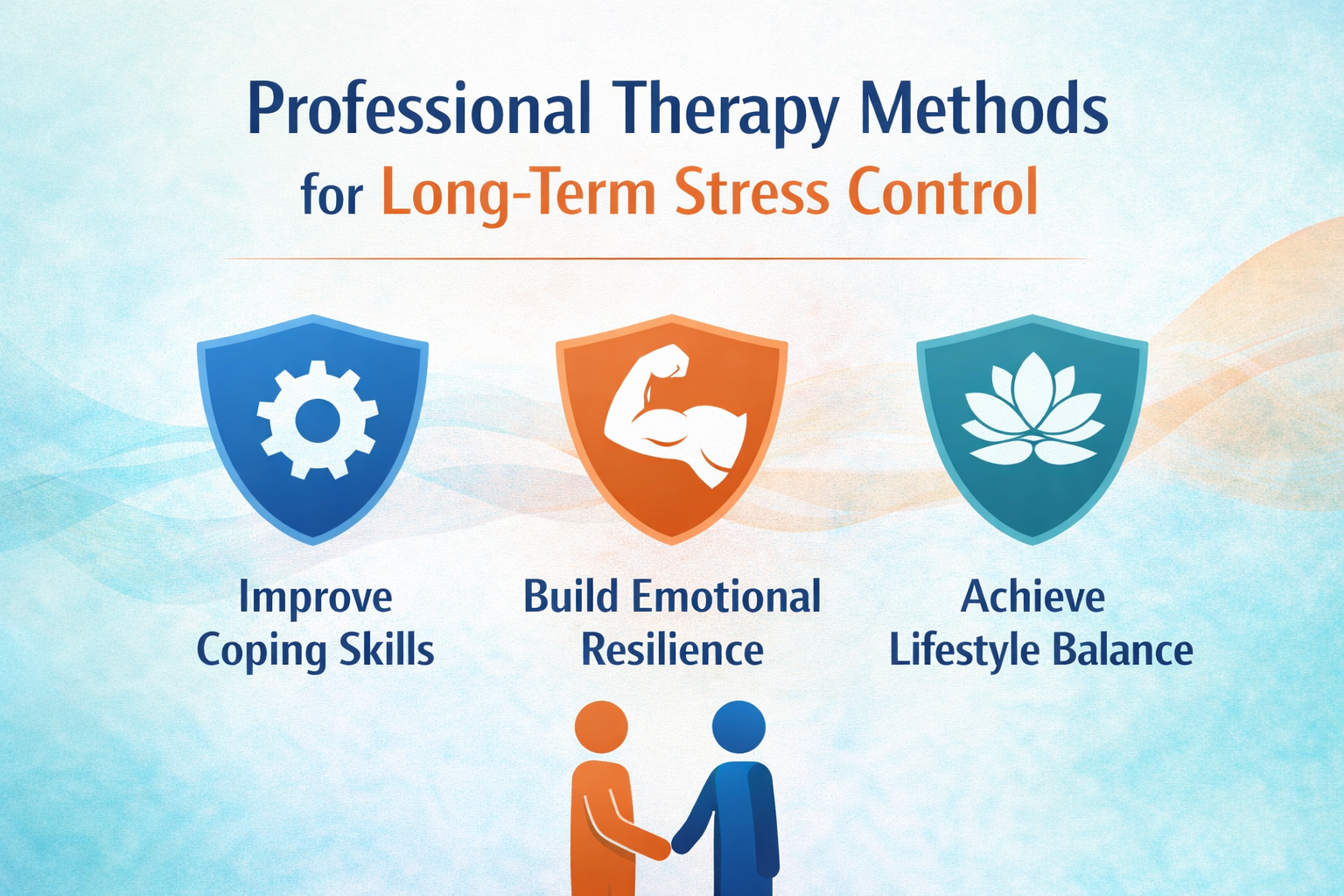
Professional Therapy Methods for LongTerm Stress Control
Stress has become an unavoidable part of modern living, affecting professionals, students, parents, and individuals across all age groups. Continuous exposure to deadlines, responsibilities, social expectations, and lifestyle pressures often leads people to search for the Best Psychologist in Gurgaon to gain structured support and professional guidance. Therapy offers more than temporary relief; it introduces scientifically supported methods that help individuals develop long-term emotional balance, stronger coping skills, and improved mental clarity. With consistent psychological support, individuals can learn how to respond to life’s pressures calmly instead of feeling overwhelmed by them.
Understanding the Nature of Long-Term Stress
Stress is a natural biological response designed to help the body handle challenging situations. However, when stress continues for extended periods without proper recovery, it begins to affect emotional stability, physical health, and overall productivity. Long-term stress may result in fatigue, irritability, reduced concentration, sleep disturbances, headaches, and decreased motivation. Over time, unmanaged stress can also influence relationships, work performance, and personal decision-making abilities. Recognizing stress as a manageable condition rather than an unavoidable burden is the first step toward meaningful improvement.
The Role of Professional Therapy in Stress Management
Professional therapy provides a safe and confidential environment where individuals can openly discuss their concerns without fear of judgment. Therapists use structured psychological approaches to help individuals understand the sources of their stress, emotional triggers, and behavioral patterns. Instead of offering quick temporary solutions, therapy focuses on building sustainable coping strategies that empower individuals to handle challenges independently over time.
Through guided sessions, individuals gain deeper insight into their thought processes and emotional responses. This awareness allows them to identify negative thinking cycles, unrealistic expectations, and habitual reactions that intensify stress. Once these patterns are recognized, therapists help individuals gradually replace them with healthier perspectives and more constructive responses that promote emotional stability.
Cognitive Behavioral Techniques for Stress Reduction
One of the most effective therapy methods for stress control is cognitive behavioral therapy (CBT). This approach focuses on identifying negative thought patterns and replacing them with balanced, realistic thinking. Individuals learn how their thoughts influence emotions and behaviors, allowing them to consciously shift their responses during stressful situations. Over time, CBT strengthens emotional resilience and reduces the intensity of anxiety-related reactions, helping individuals maintain clarity even in demanding situations.
Mindfulness-Based Stress Management Practices
Mindfulness techniques are widely used in therapy to help individuals remain present and aware rather than overwhelmed by future worries or past experiences. Practices such as guided breathing, meditation, and body awareness exercises help calm the nervous system and improve emotional regulation. When practiced regularly, mindfulness increases concentration, improves sleep quality, and enhances overall mental clarity. These practices also help individuals recognize stress triggers earlier, allowing them to respond more thoughtfully instead of reacting impulsively.
Developing Healthy Lifestyle Habits Through Therapy
Therapy also emphasizes lifestyle adjustments that support long-term stress reduction. These include establishing consistent sleep schedules, maintaining balanced nutrition, incorporating regular physical activity, and setting realistic personal and professional boundaries. Therapists work collaboratively with individuals to design habits that fit their routines, ensuring that the recommended changes remain practical and sustainable. Over time, these lifestyle improvements significantly enhance both emotional and physical well-being.
Improving Communication and Relationship Stability
Stress often affects communication patterns, leading to misunderstandings, emotional withdrawal, or conflict in relationships. Therapy helps individuals develop effective communication skills, emotional expression techniques, and empathetic listening abilities. As individuals learn to express their needs calmly and understand others’ perspectives, relationships become more supportive and stable. Strong personal connections act as protective factors against future stress and contribute to long-term emotional health.
Building Emotional Resilience for Future Challenges
An important goal of therapy is not only to manage current stress but also to prepare individuals for future challenges. Emotional resilience refers to the ability to recover quickly from setbacks and adapt to changing circumstances. Through therapy, individuals develop confidence in their coping abilities, enabling them to face difficult situations without feeling overwhelmed. This resilience supports long-term mental well-being and strengthens self-confidence in both personal and professional life.
The Importance of Consistency in Therapeutic Progress
Meaningful psychological improvement requires consistency and commitment. Regular therapy sessions allow individuals to practice newly learned coping methods, reflect on progress, and adjust strategies as needed. Even small improvements in daily habits can produce significant long-term benefits when practiced consistently. Over time, individuals begin to notice improved concentration, greater emotional stability, and increased productivity.
Achieving Long-Term Balance Through Professional Guidance
Life will always involve responsibilities and uncertainties, but individuals who learn structured coping strategies can manage these challenges more effectively. Professional therapy provides the tools needed to understand emotional triggers, regulate stress responses, and maintain mental balance even during demanding periods. With continuous practice of therapeutic techniques and supportive guidance from a qualified stress management therapist Gurugram, individuals can build long-term resilience, healthier relationships, improved productivity, and a calmer, more fulfilling life experience.
Visit- https://compassionateminds.in/