10 Essential Tips to Maintain Your New Smile After Smile Design
A newly designed smile is more than just a cosmetic upgrade—it is a carefully engineered blend of art, science, and advanced dental technology. With the rise of digital dentistry, customized restorations, and innovative materials, smile design has become one of the most transformative procedures in modern dentistry. Whether your smile makeover included veneers, crowns, bonding, digital smile design planning, or a combination of aesthetic restorations, maintaining that brilliance is crucial. At Ultimate Smile Design by Advance Dental Export, every smile is crafted with meticulous detail, durability, and harmony. But as with any investment, long-term care is the key to preserving its beauty and functionality.
https://ultimatesmiledesign.com/blogs/smile-des...
To help you safeguard your new smile, here are 10 comprehensive, expert-recommended tips to ensure your restorations stay flawless for years while keeping your natural teeth and gums in exceptional health.
1. Commit to a Thorough and Consistent Oral Hygiene Routine
Your day-to-day oral care routine plays the biggest role in maintaining your newly enhanced smile. Even though aesthetic restorations are made from durable materials like ceramic, zirconia, or composite, they still require gentle yet consistent care.
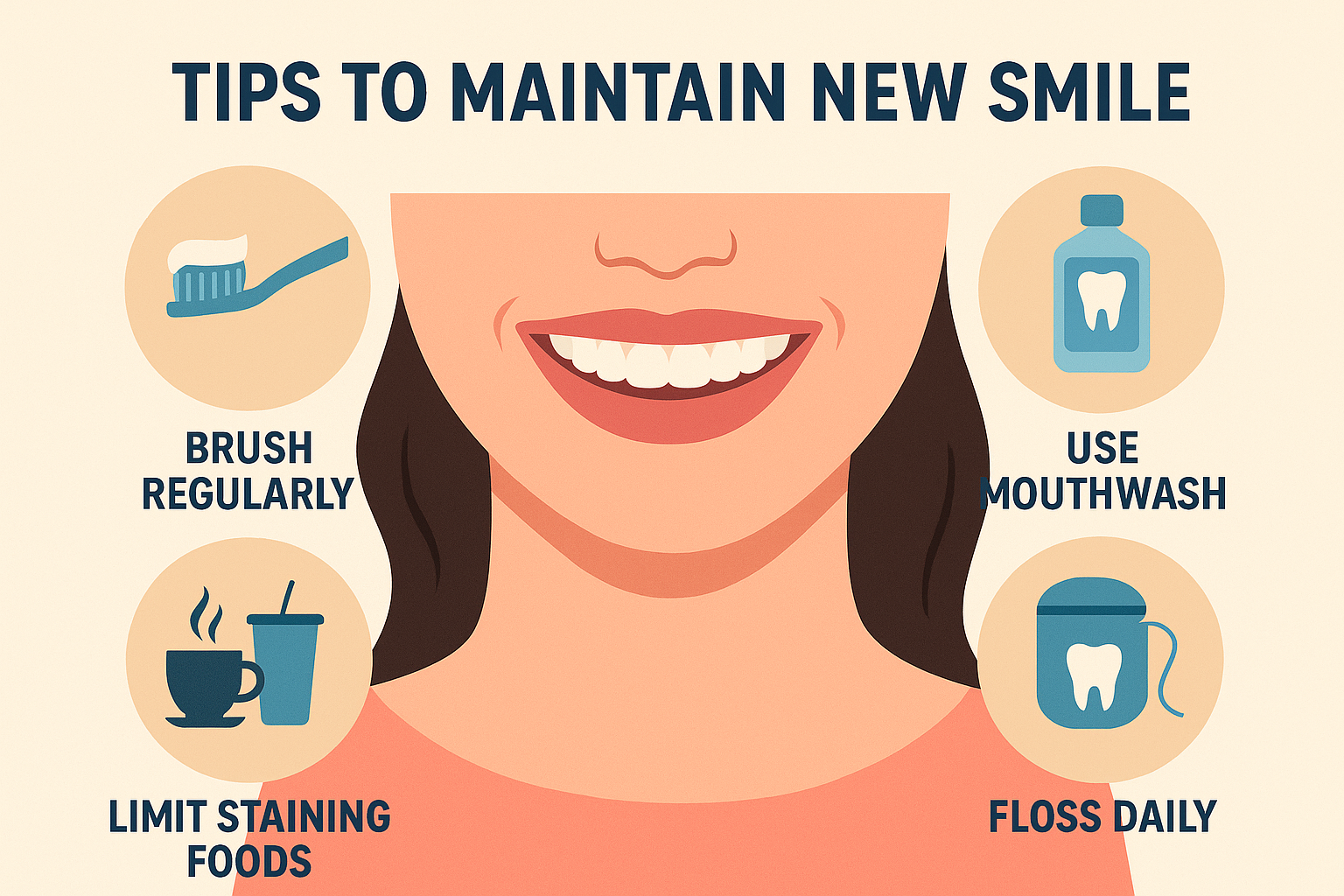
Use a soft-bristled toothbrush and a non-abrasive toothpaste. Abrasive formulas can create micro-scratches on veneers and crowns, leading to dullness over time. Brush at least twice a day using small, circular motions that focus on both the restorations and gumline. Flossing is equally important. Food debris and plaque can accumulate between teeth and around restoration margins, leading to gum inflammation or decay in natural tooth structures.
To enhance your routine, consider using an antibacterial mouthwash or water flosser if recommended by your dentist. These tools can reduce harmful bacteria and maintain optimal gum health.
2. Maintain Regular Dental Visits and Follow-Up Appointments
While your new smile may feel strong and look stunning, professional check-ups are essential to ensure everything remains in proper condition. During follow-up visits, your dentist evaluates:
Gum health
The bond strength of veneers or crowns
Any signs of wear, micro-leakage, or fracture
Nighttime grinding patterns
Correct bite alignment
Professional cleanings help remove plaque and surface stains that regular brushing might miss. Additionally, restorations sometimes require polishing to maintain their shine, which only dental professionals can perform safely.
Routine visits—usually twice a year—are crucial for catching minor issues before they become major problems.
3. Avoid Using Teeth for Non-Eating Purposes
Your smile is designed for beauty and function—but not for opening bottles, tearing packets, or biting nails. These habits may seem harmless but impose unnecessary mechanical stress on both natural teeth and restorations. Veneers, though strong, can chip if subjected to forceful misuse. Crowns may loosen, and natural enamel can crack.
Be mindful of these unconscious habits and break them early. Your teeth are tools for chewing—not substitutes for scissors or bottle openers.
4. Be Cautious With Hard, Sticky, or Tough Foods
After a smile design, your restorations are crafted to withstand everyday chewing, but certain foods pose higher risks. Hard foods like ice cubes, nuts, and hard candies can chip ceramic surfaces. Sticky foods like caramel, toffee, or chewing gum can pull at bonded restorations. Tough foods like crusty bread or steak require more biting force, which can strain veneers or crowns if consumed improperly.
This doesn’t mean you must completely avoid these foods. Instead:
Cut harder foods into smaller bites
Chew slowly and carefully
Avoid biting directly into extremely hard items
Making minor adjustments in how you eat will protect your smile for the long term.
5. Use a Night Guard if You Grind or Clench Your Teeth
Bruxism—unconscious grinding or clenching—can severely damage restorations. It places intense pressure on teeth, causing cracks, chips, and accelerated wear. If your dentist identifies signs of grinding, they will likely recommend a custom night guard.
A professionally fitted night guard:
Distributes biting pressure evenly
Protects both natural teeth and restorations
Reduces jaw muscle tension
Minimizes long-term damage
Using a night guard regularly can significantly extend the life of your new smile design.
6. Minimize Exposure to Staining Foods, Drinks, and Habits
Although high-quality aesthetic restorations resist stains better than natural teeth, they are not entirely immune. The bonding materials around them can discolor, and your surrounding natural teeth may darken, creating a mismatch.
Try to minimize:
Coffee and tea
Red wine
Cola and dark sodas
Curry and soy-based dishes
Berries and beetroot
Tobacco
When consuming staining drinks, use a straw to limit contact with your teeth. Rinse your mouth afterward to prevent pigments from adhering to surfaces.
7. Prioritize Gum Health for a Balanced and Beautiful Smile
Healthy gums are the foundation of every attractive smile. Inflamed, swollen, or receding gums can affect the symmetry of your smile and compromise restoration margins. Incorporate gum-friendly habits such as:
Gentle flossing daily
Using an antibacterial or fluoride mouth rinse
Regular periodontal cleanings if needed
Massaging gums to boost blood circulation
Healthy gums help maintain the natural contour and support needed for long-lasting restorations.
8. Protect Your Teeth During Sports and Physical Activity
If you participate in sports—whether recreational or professional—a mouthguard is essential. Even a minor impact can fracture or dislodge restorations. Custom-made mouthguards offer the best fit, allowing you to breathe and speak comfortably while ensuring maximum protection.
9. Avoid Unsupervised Whitening Products
While you might want to maintain a bright white smile, over-the-counter whitening strips or gels can cause uneven color, gum irritation, or sensitivity. Whitening does not affect ceramic restorations, meaning your natural teeth may become whiter than your veneers or crowns.
Always consult your dental professional before starting any whitening treatment. If whitening is appropriate, they will recommend a safe solution and timing that complements your smile design.
10. Adhere to All Post-Treatment Instructions and Customized Advice
Every smile design case is different. Factors such as bite alignment, material type, gum structure, and the extent of restoration play a role in your unique aftercare plan. Follow all personalized instructions carefully, including dietary guidelines, medication schedules, or special cleaning techniques.
Taking these recommendations seriously ensures your new smile remains healthy, functional, and aesthetically pleasing for years.
Final Thoughts
A smile design is more than just a cosmetic enhancement—it is a long-term investment in your confidence, personality, and oral well-being. With premium-quality materials and precision craftsmanship from Ultimate Smile Design by Advance Dental Export, your new smile is built to last. By following these essential tips and caring for your mouth daily, you can enjoy a vibrant, natural-looking, and durable smile for many years.